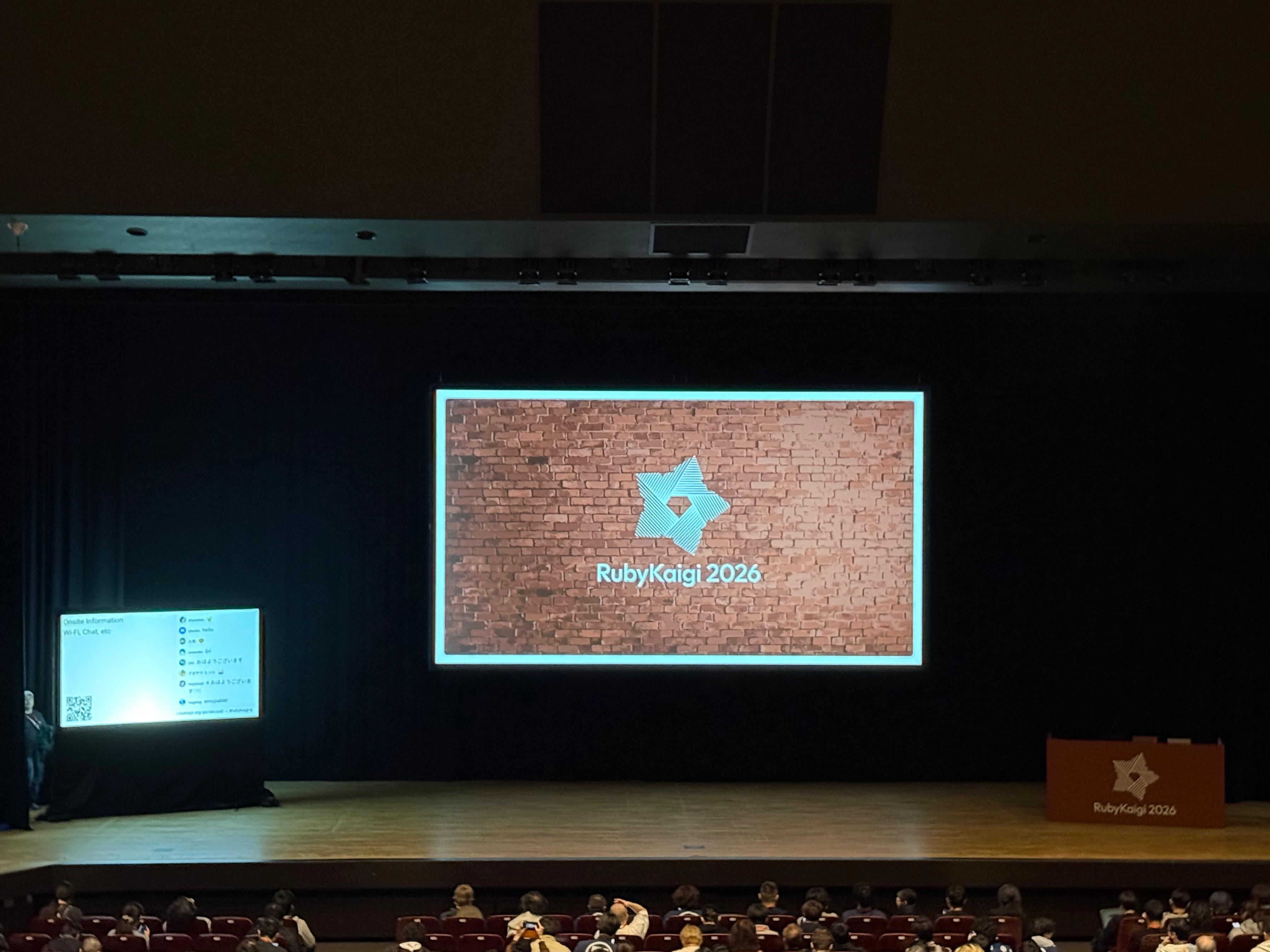
When I first planned my trip, I thought it would mainly be about Ruby, and networking with developers from around the world. As someone representing a Ruby on Rails focused development company from Nepal, including experience in scalable application development and Ruby on Rails maintainance solutions, my intention was simple: meet people, understand the ecosystem better, and explore how global engineering communities collaborate.
What I did not expect was how deeply the experience would change my perspective on Japan itself.
For years, while working with Japanese clients, I had always heard stories about discipline, precision, respect for craftsmanship, and attention to detail. But hearing about it and experiencing it firsthand are two completely different things.
The Journey Began With Uncertainty
The trip itself started with a strange mix of excitement and fear.
I landed in Tokyo, and the same day, I was scheduled to fly to Hakodate for Kaigi. That morning, news of a tsunami alert started spreading. For someone coming from Nepal, where earthquakes are familiar but tsunamis are not, it was scary. Airports were tense, announcements were frequent, and for a moment, I wondered if the trip would even continue as planned.
But eventually, I boarded the flight.

And the moment I reached Hakodate, everything changed. The city welcomed me with a kind of calmness that is hard to describe.
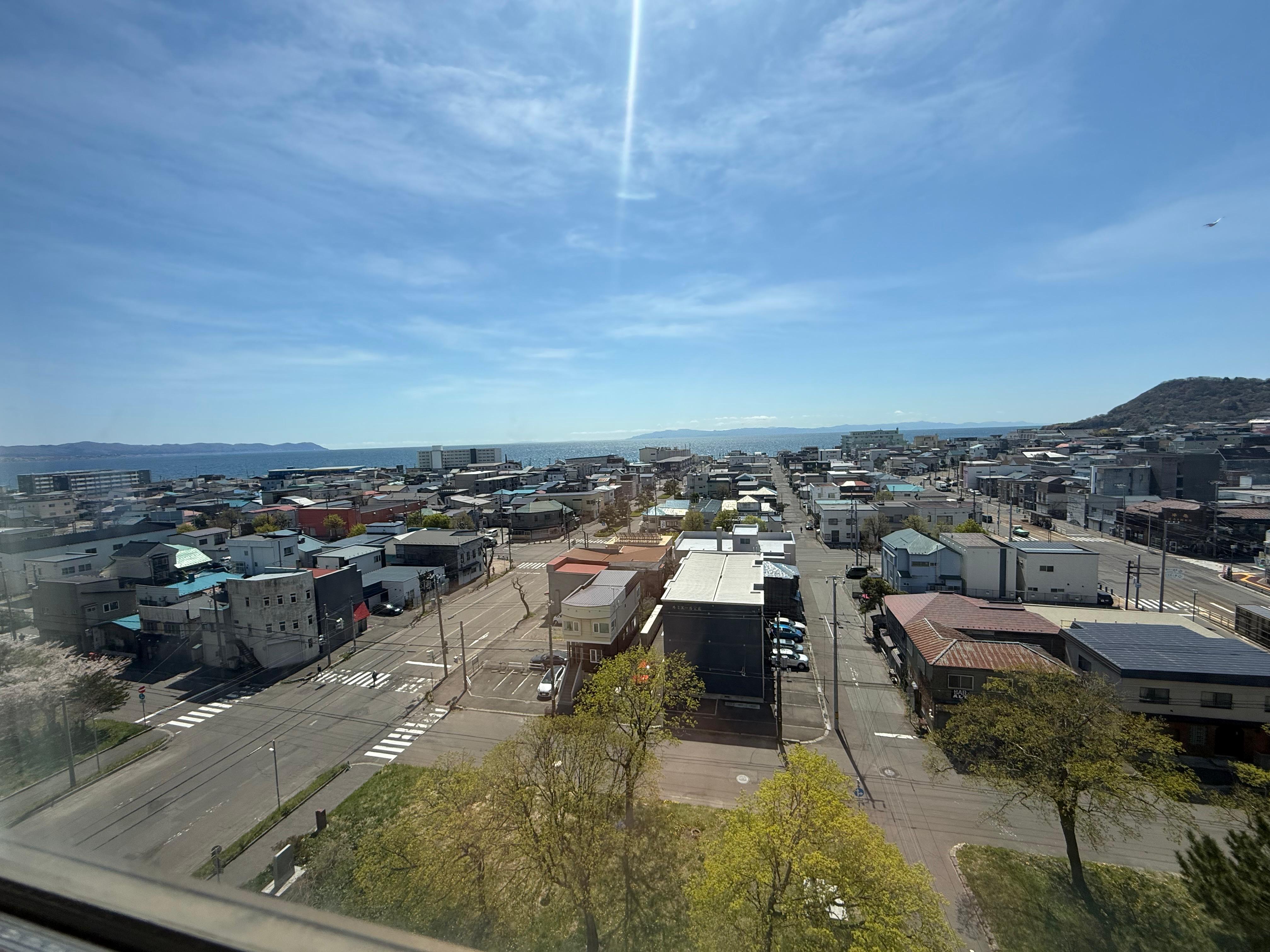
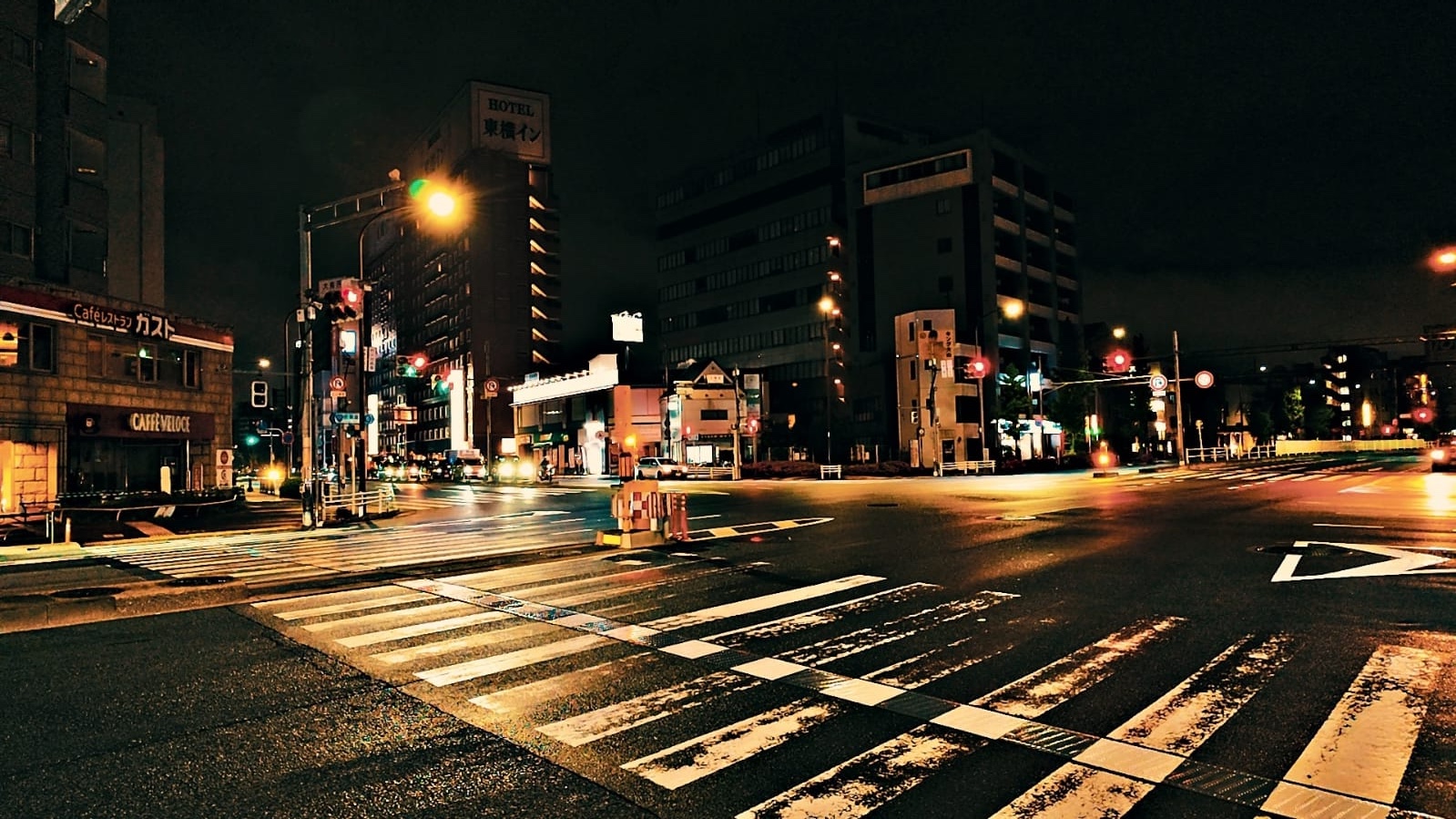
The peaceful streets, the sea breeze, the mountains surrounding the city, and the quiet rhythm of everyday life created a completely different atmosphere from Tokyo’s fast-paced energy. It almost felt therapeutic.
Even before reaching the venue, it was obvious that the city had embraced RubyKaigi wholeheartedly. Seeing welcome banners for Kaigi guests at the airport instantly made the experience feel special.
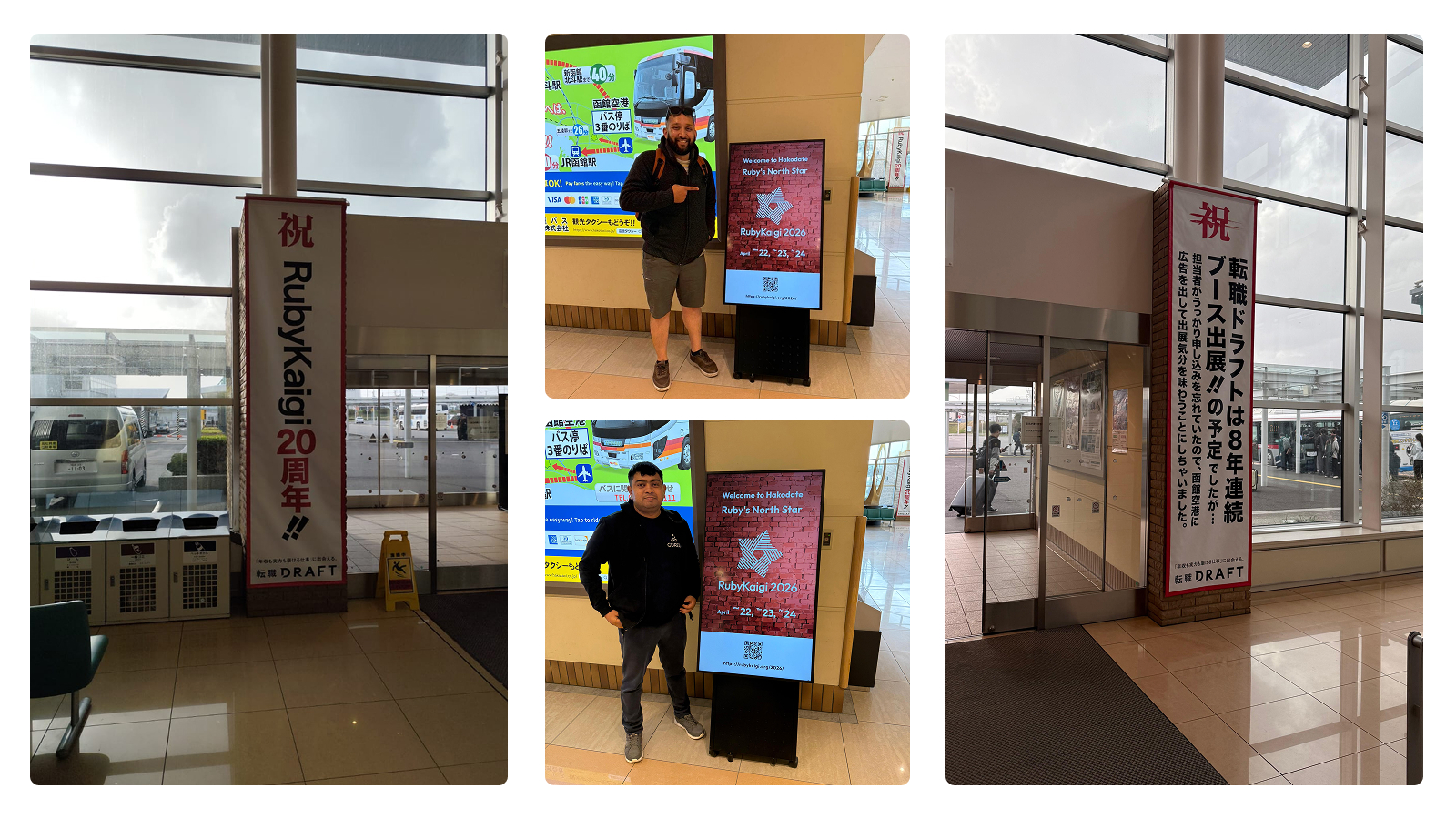
It did not feel like attendees were simply visiting for a conference, it felt like the city itself was hosting the Ruby community.
Entering the World of RubyKaigi
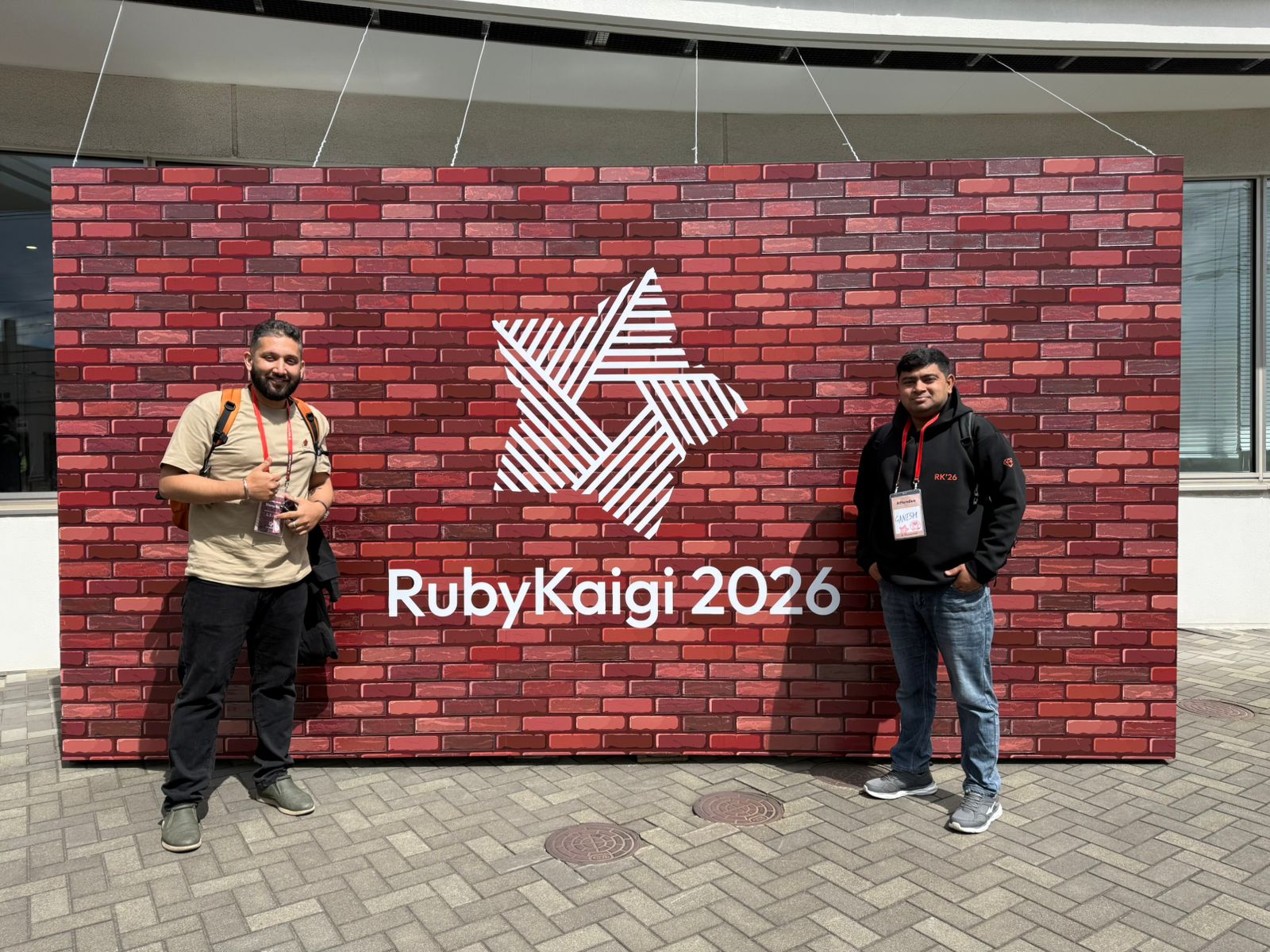
Ruby Kaigi is often described as the world’s largest Ruby conference, and after attending it, I completely understand why. Thousands of Ruby enthusiasts, contributors, engineers, founders, and companies from across the globe gathered in one place to discuss the future of Ruby.
The venue itself, the Hakodate Arena near Arenamae, deserves appreciation of its own. Everything about the hall felt incredibly organized and thoughtfully designed. From smooth crowd movement to the atmosphere inside the keynote spaces, it created an experience where people could simply focus on learning, connecting, and enjoying the event.
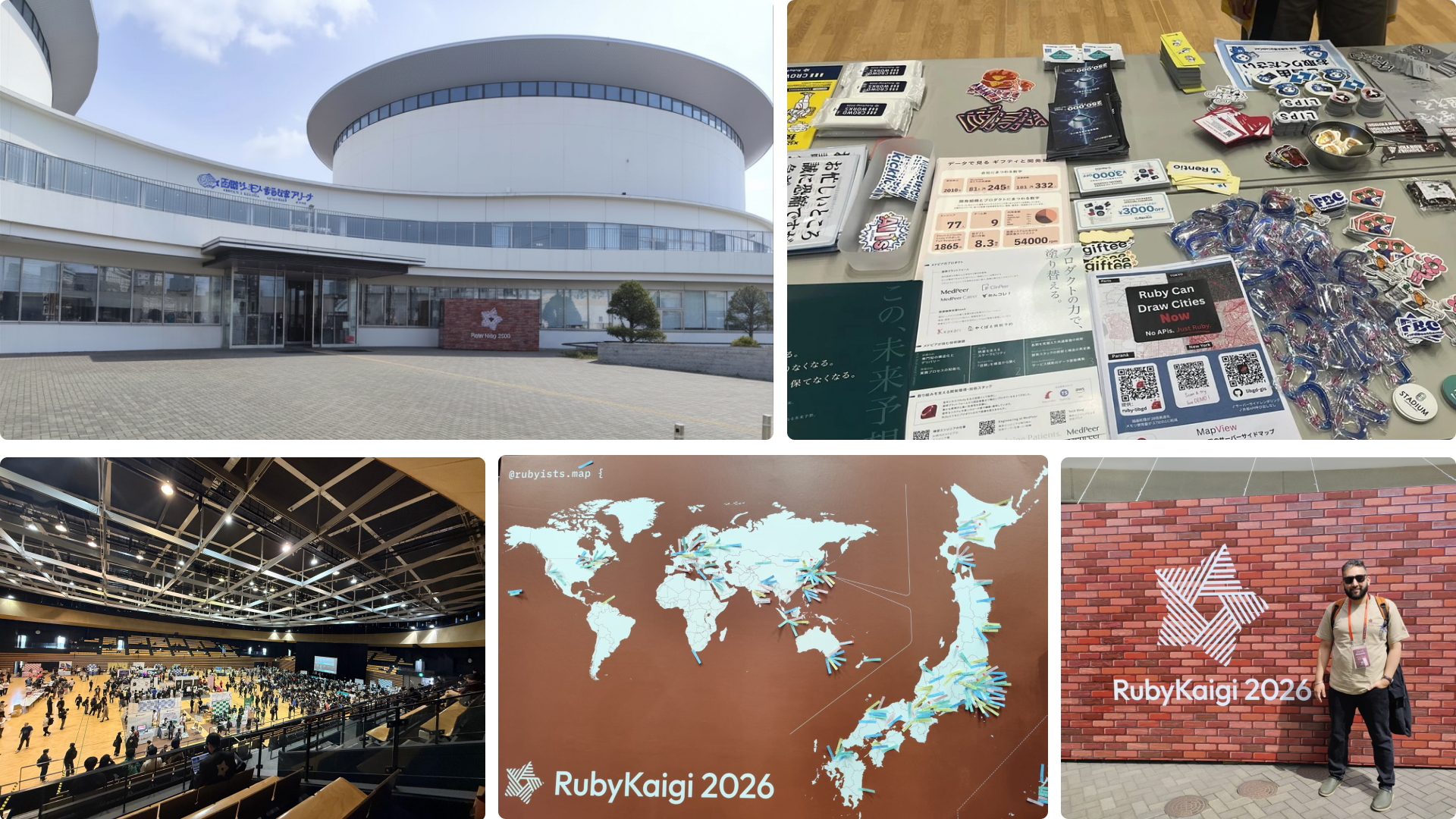
Listening to stories from engineers who had spent decades contributing to Ruby was incredibly inspiring. Conversations happened naturally, whether with experienced Rubyists who had attended multiple Kaigis over the years or with first-time attendees who were simply excited to learn. But beyond that, what amazed me was how approachable the community was.
One of the best moments for me was meeting Yukihiro “Matz” Matsumoto himself. For someone who has spent years around Ruby on Rails projects, meeting the creator of Ruby felt special.
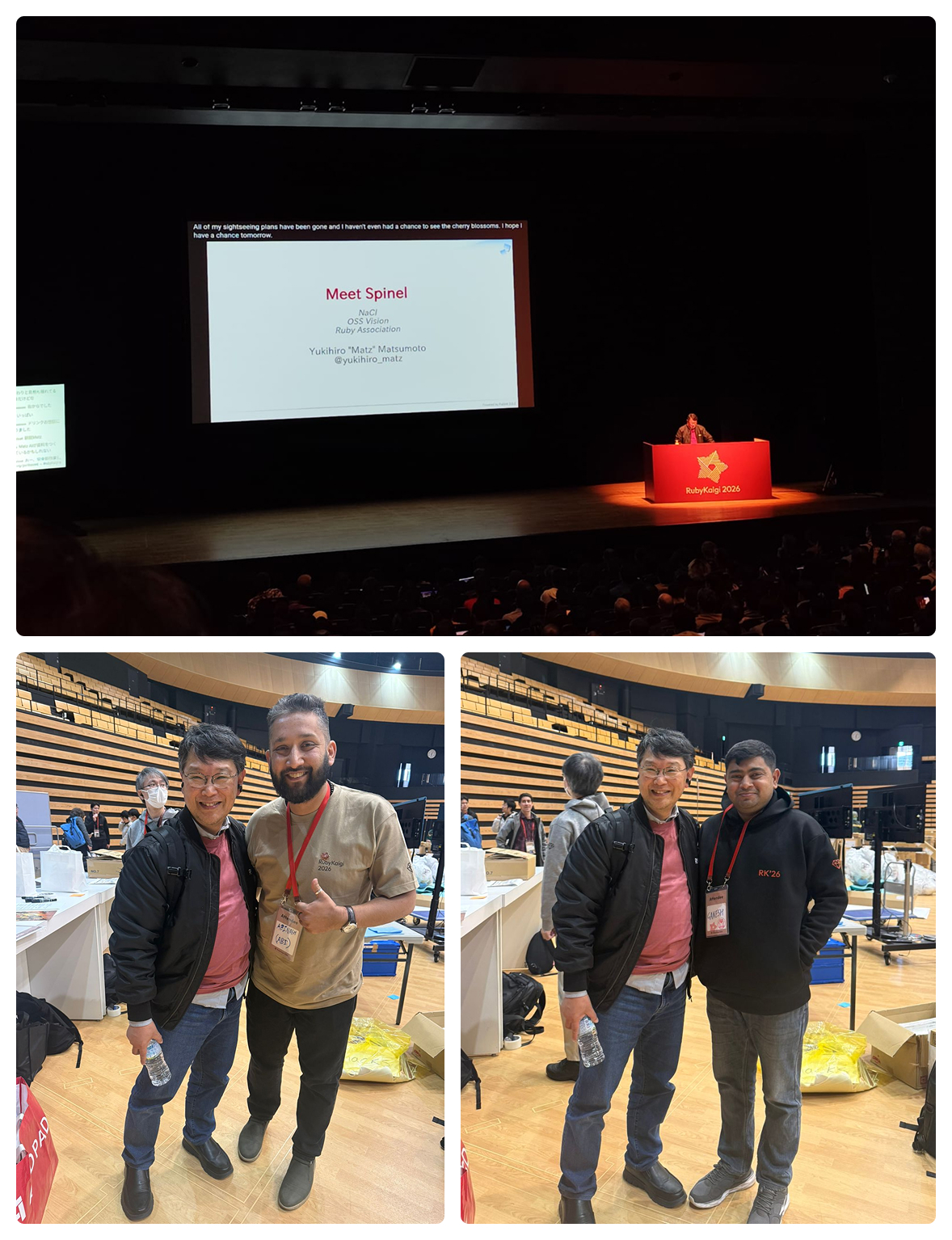
And despite all the technical depth, the atmosphere remained warm and welcoming.
Ruby Is Still Very Much Alive
One thing became very clear throughout the conference: Ruby is evolving.
A lot of discussions revolved around performance improvements, concurrency, JIT compilers, profiling tools, AI assisted development, and the future of Ruby.
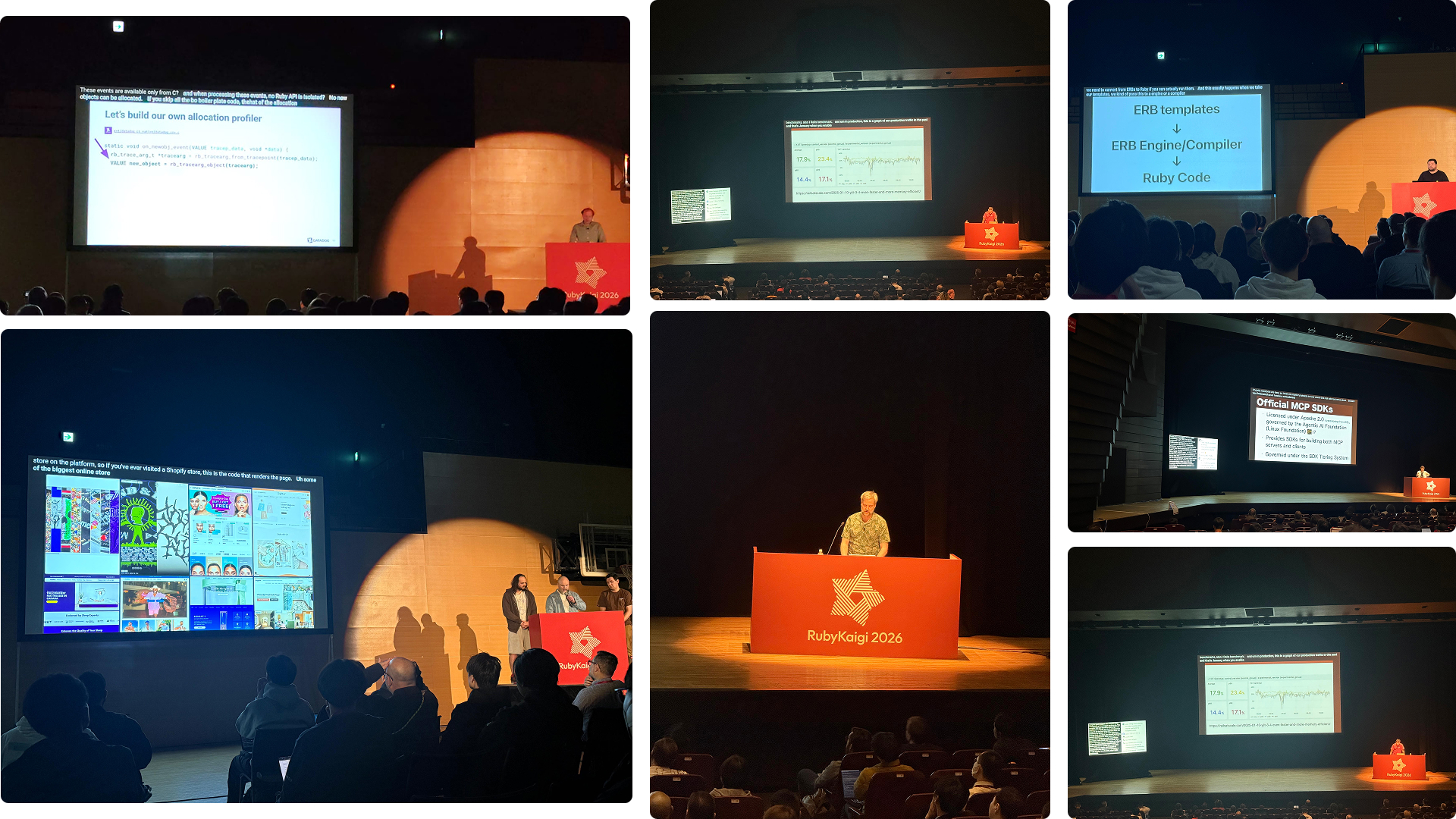
Sessions around runtime optimization and developer tooling showed that the community is actively pushing Ruby forward rather than simply maintaining legacy systems. Some spoke about how Ruby evolved through different generations of web development.
The ecosystem feels mature, but far from stagnant, it was reassuring to see how relevant Ruby still remains globally.
Check out our latest Ruby on Rails blogs.
The Sponsor Booths Also Told A Story
As someone coming from the business development side rather than hardcore Ruby internals, I found myself spending a lot of time around sponsor booths and networking spaces.
I spoke with teams building developer tools, SaaS platforms, AI-powered products, fintech systems, HR platforms, cloud infrastructure solutions, and internal engineering tools. Many companies openly shared their engineering culture, scaling challenges, hiring approaches, and long-term product vision.
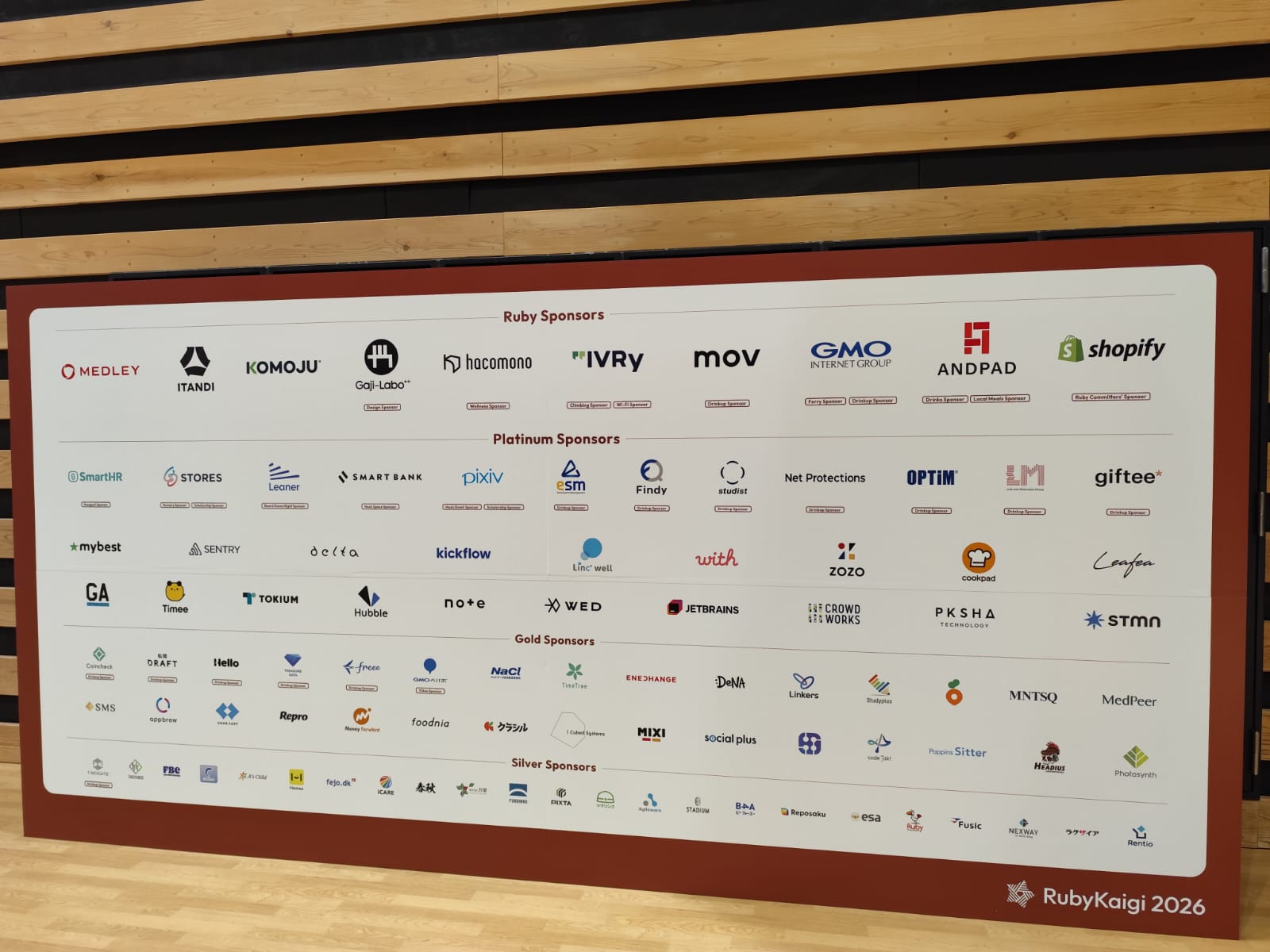
The conversations were thoughtful. People were patient. Nobody tried to oversell. Instead, they focused on process, reliability, maintainability, and long-term trust. That mindset resonated with me deeply because it aligns closely with how sustainable software partnerships should actually work.
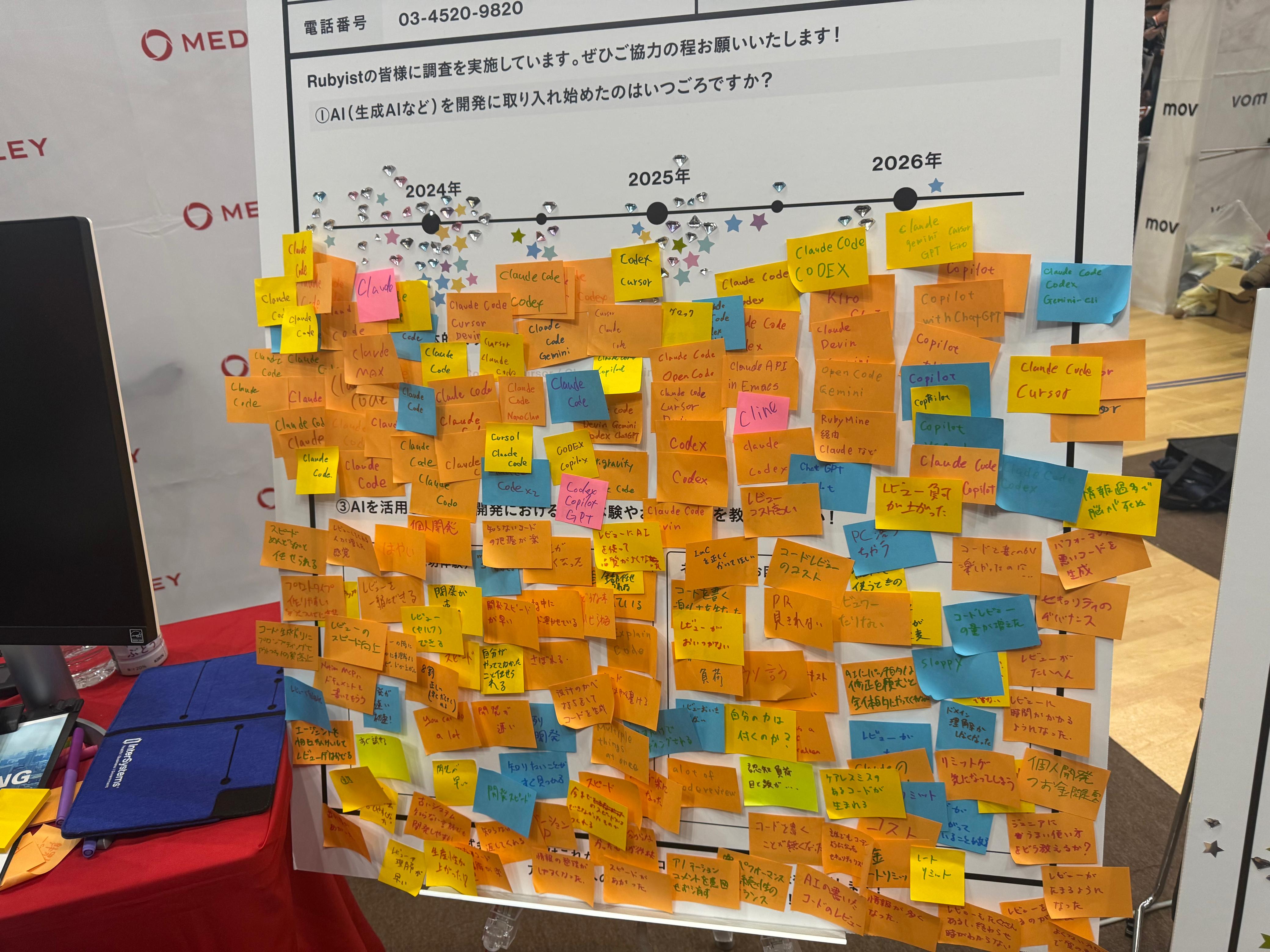
It was fascinating to see how deeply engineering excellence is embedded in the Japanese tech culture. For me, the event became less about selling services and more about understanding how global engineering ecosystems are built.
Beyond the Sessions
One evening, after a long day of sessions and networking, I tried food from Hakodate that everyone kept recommending and it lived up to the hype. There was something comforting about sitting down after hours of conversations, carrying conference swag bags, and enjoying a proper meal while reflecting on the day.
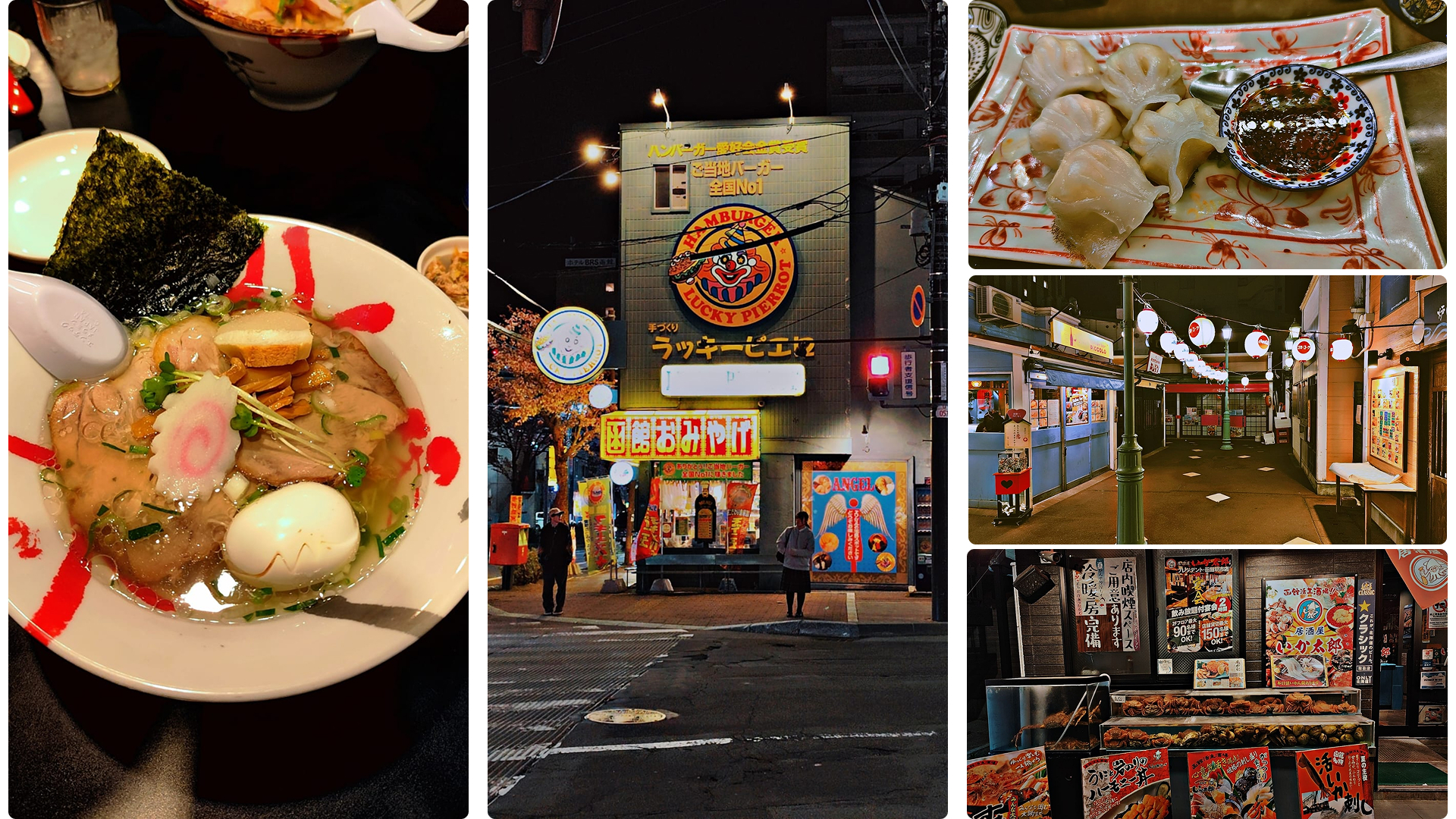
Another memorable experience was walking around the Hakodate Morning Market area late at night. Ironically, because I visited at night, the market itself was empty and quiet, but that silence somehow made it even more beautiful. The glowing street lights, closed stalls, cool breeze, and calm streets created an atmosphere that felt cinematic.
The surreal view from Mount Hakodate, standing there at night, watching the city lights stretch between the mountains and the sea. This is one of those views that makes you pause for a moment and simply absorb where you are.
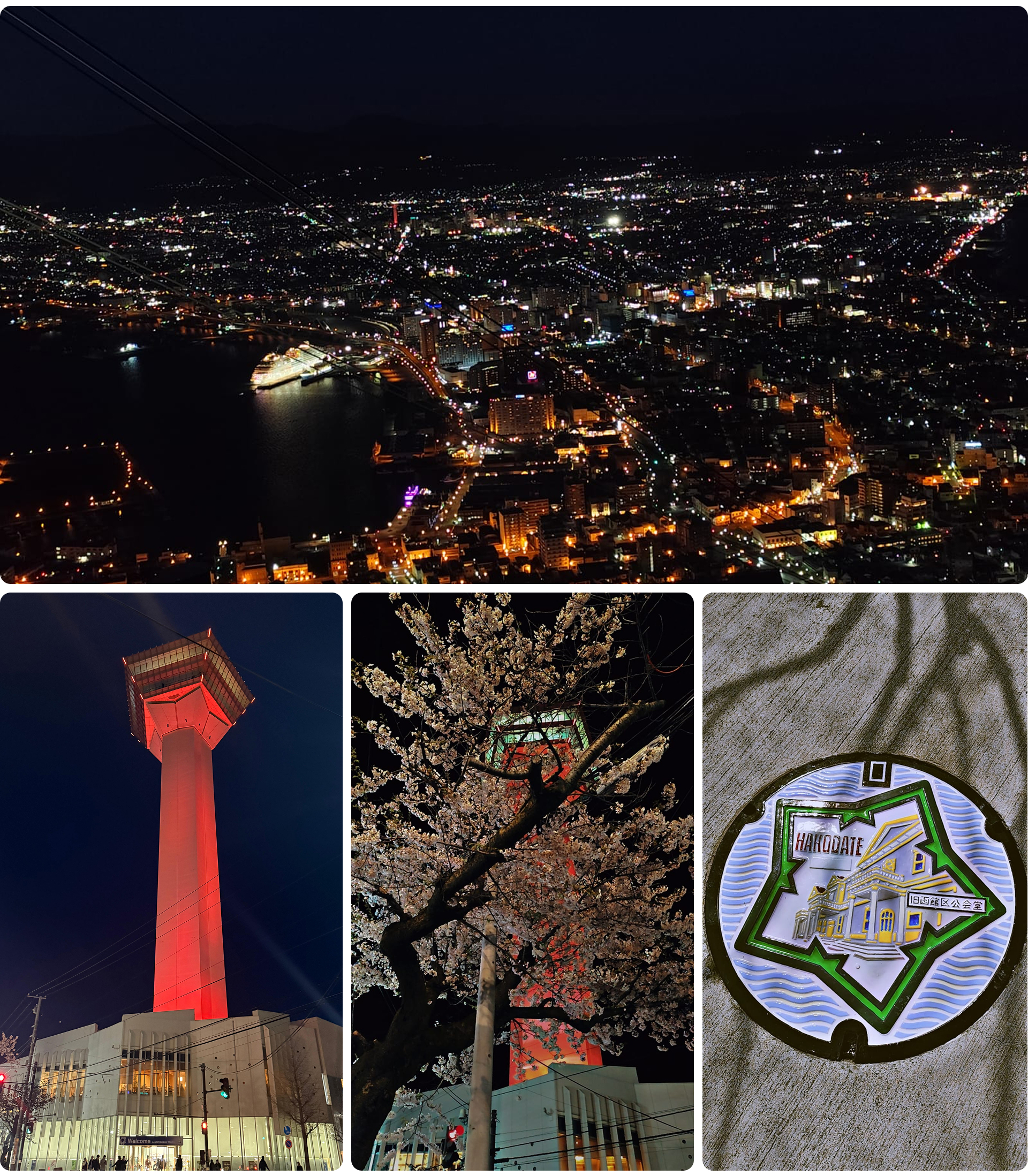
Watching the iconic Goryōkaku Tower illuminated in red for RubyKaigi was one of those small but unforgettable moments. It was symbolic in a way - an entire city celebrating a programming language community.
Beyond Technology
What stayed with me most after the event was not just the technical knowledge - it was the culture.
One thing I kept reflecting on throughout the event was how Japanese engineering culture mirrors many Ruby on Rails best practices.
Japan has a way of making you appreciate details.
The punctual trains. The organized venues. The respectful interactions. The cleanliness of public spaces. The calmness in crowded places. Even during a large international conference, everything felt smooth and intentional.
And somewhere between the technical sessions, sponsor conversations, networking events, scenic walks through Hakodate, casual chats with fellow Rubyists, late night convenience store visits, and the unforgettable mountain views, I realized something:
Technology communities are ultimately built by people.
RubyKaigi reminded me that great engineering is not only about writing better code. It is about creating environments where curiosity, collaboration, respect, and craftsmanship thrive together.
I arrived in Japan expecting a conference.
I left with a much deeper appreciation for the people, culture, and engineering philosophy behind it all.